Be yourself; Everyone else is already taken.
— Oscar Wilde.
This is the first post on my new blog. I’m just getting this new blog going, so stay tuned for more. Subscribe below to get notified when I post new updates.
Be yourself; Everyone else is already taken.
— Oscar Wilde.
This is the first post on my new blog. I’m just getting this new blog going, so stay tuned for more. Subscribe below to get notified when I post new updates.
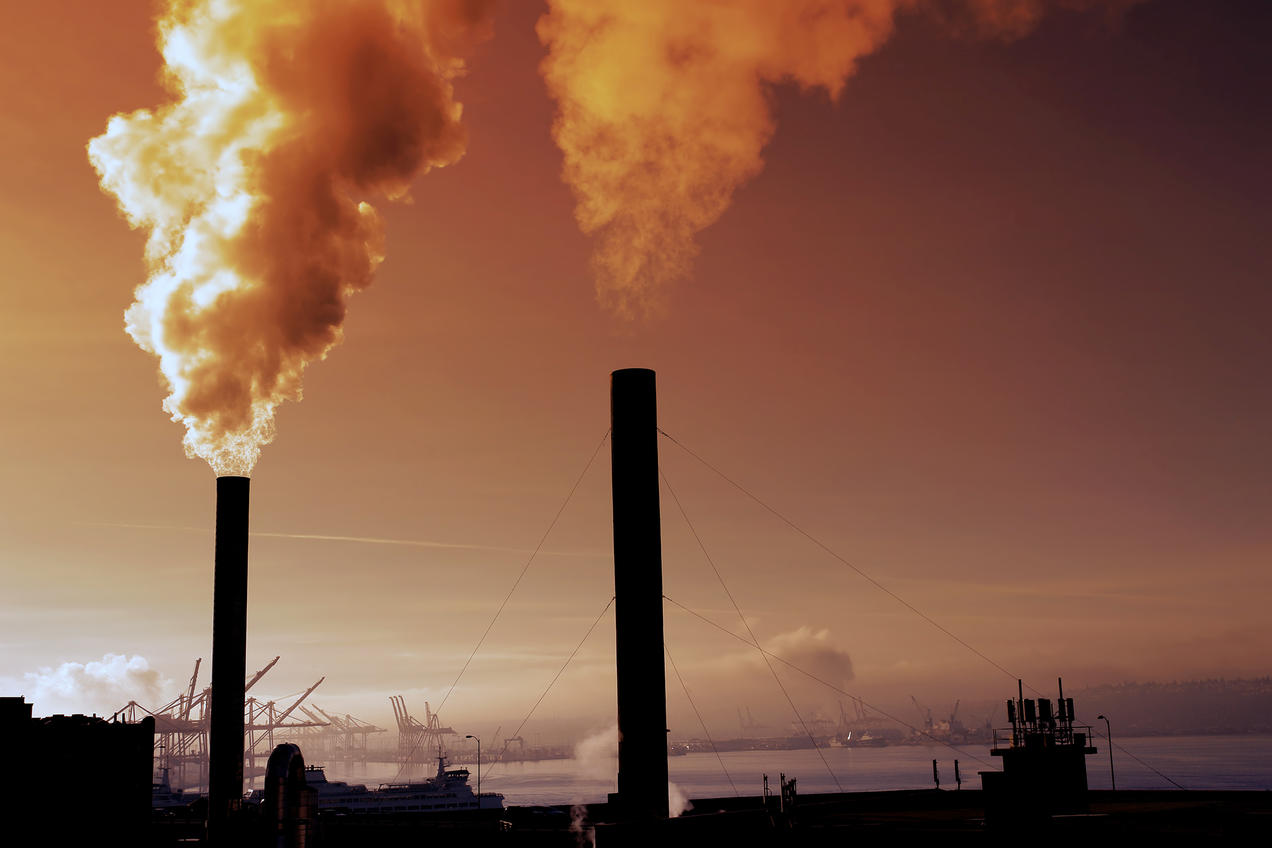
Air Pollution has become a reality we all have to live with, and surprisingly there is no way , Yes you read that right. There is no way to avoid that. Air pollutuion is not only restricted to otdoor pollution, infact indoor air pollution is as severe as outdoor pollution. the situation becomes worst in winters when the air turns heavy and lies low and Enters our lungs and leave us with no clean air to breathe.
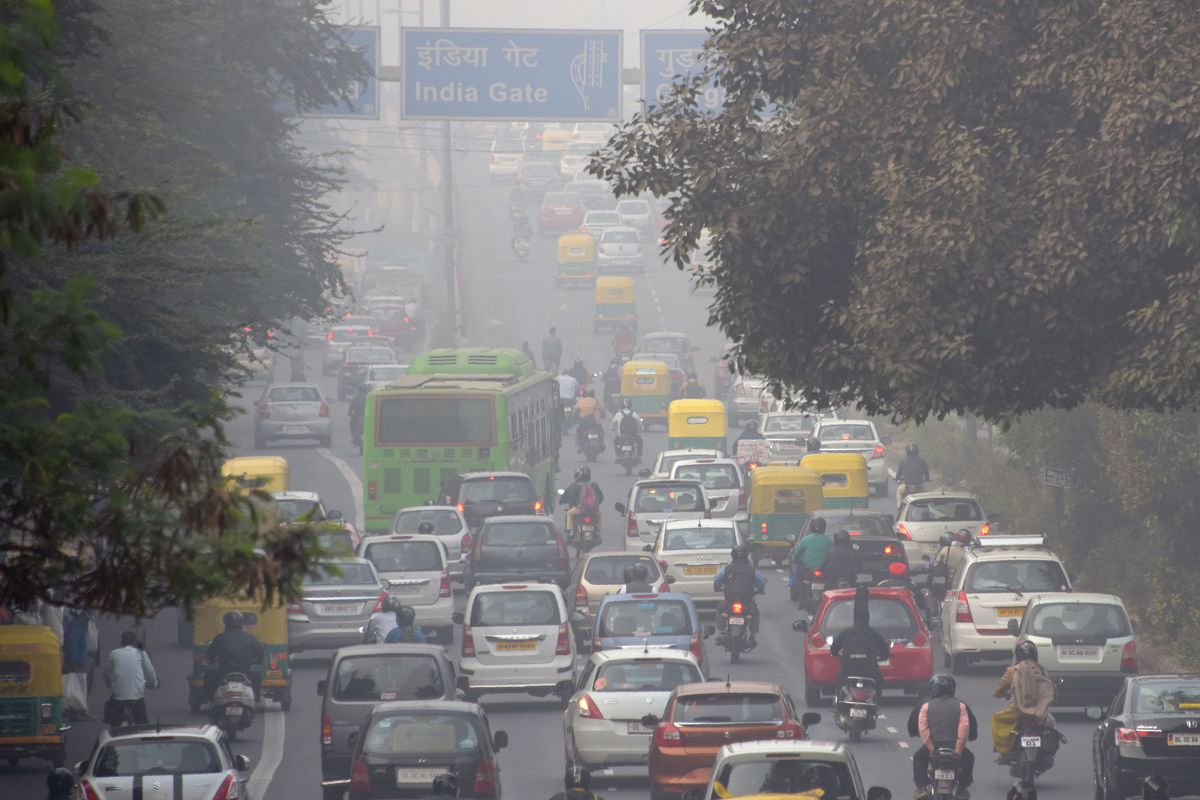
The only option we have is to stay protected. Now a days the awareness regarding air pollution is increasing because of which there are several steps taken by industries.
IS CLEAN AIR A LUXURY OR A NECESSITY?
Well you need to understand that the body needs three basic things to live – food, water, and air. While we can live without food for 3 weeks, water for 3 days, we would not make it across the 3-minute mark without air. Also, while we consume 1-3 liters of food in a day, 2-5 liters of air in a day, we inhale 12,000 liters of air – 24,000 breaths of about 0.48 liters with each breath. This amounts to 14 kg of air inhaled each day, larger than food and water combined. Well you need to understand that the body needs three basic things to live – food, water, and air. While we can live without food for 3 weeks, water for 3 days, we would not make it across the 3-minute mark without air.
but surprisingly, 14 out of 14 severely cities in terms of bad AQI – Air Quality Index ( A measure to calculate how safe the air is to breath) are in India. From Ahmedabad to Kolkatta, our air is severely polluted
Bad air affects our health, our productivity, our cognitive well-being, our emotional well-being and our productivity and performance
In India, even our hospitals where infection control is a clear mandate, these health and safety standards are looked upon as a luxury, a nice to have.
Our kids go to school/college, you stay in a hotel, or are admitted to a hospital, or your place of work, or you visit a theater or restaurant for entertainment – should these establishments provide a ‘safe’ environment for their patrons or occupants?
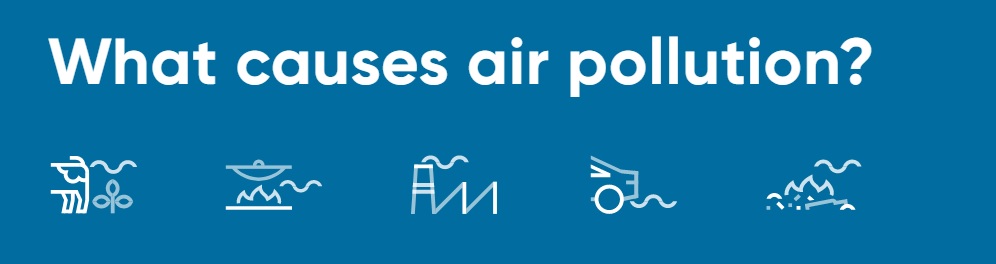
How much pollution we breathe in is dependent on many factors, such as access to clean energy for cooking and heating, the time of day and the weather .
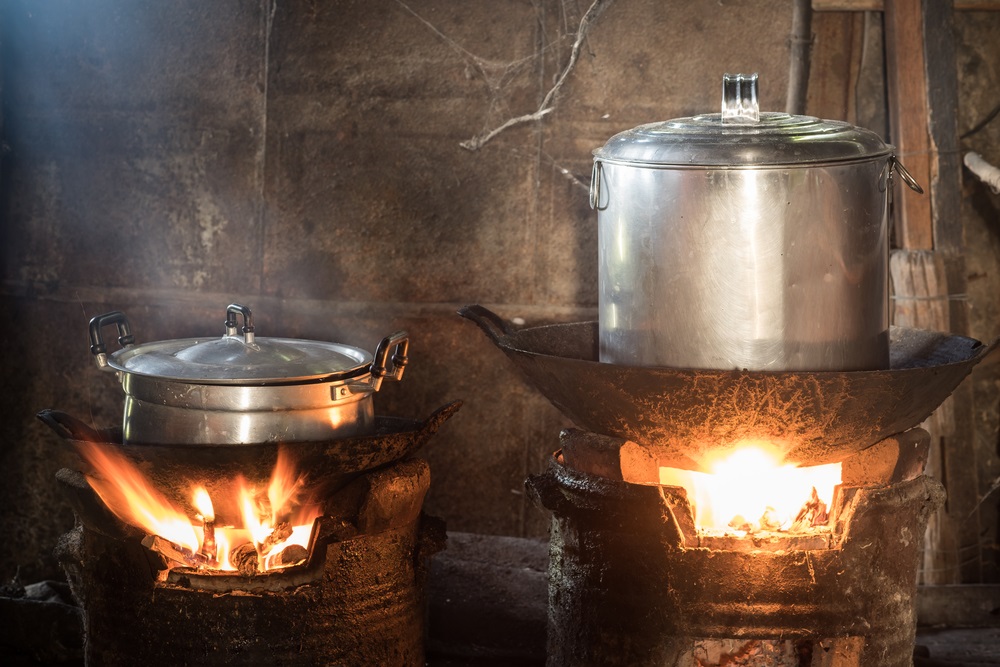
The main source of household air pollution is the indoor burning of fossil fuels, wood and other biomass-based fuels to cook, heat and light homes. the vast majority of them in the developing world.
Out of 193 countries, 97 countries have increased the percentage of households that have access to cleaner burning fuels to over 85 percent. However, 3 Billion People continue to use solid fuels and open fires for cooking, heating, and lighting. The adoption of cleaner, more modern stoves and fuels can reduce the risks of illness and save lives
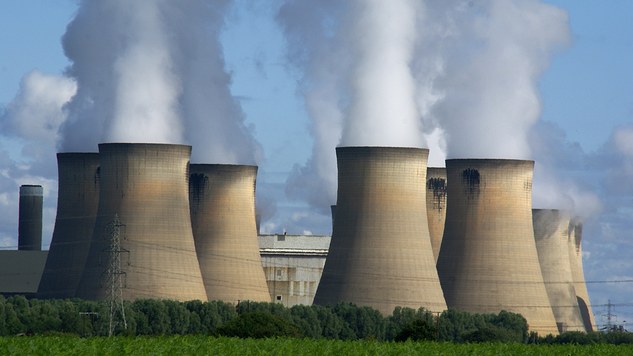
In many countries, power generation is a leading source of air pollution. Coal-burning power plants are a major contributor, while diesel generators are a growing concern in off-grid areas. Industrial processes and solvent use, in the chemical and mining industries, also pollute the air.
Policies and programs aimed at increasing energy efficiency and production from renewable sources have a direct impact on a country’s air quality.
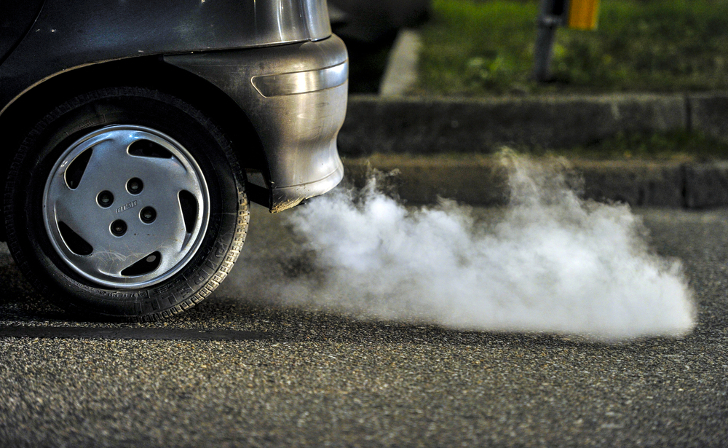
The global transport sector accounts for one quarter of energy-related carbon dioxide emissions and this proportion is rising. Air pollution emissions from transport have been linked to nearly 400,000 deaths. Almost half of all deaths by air pollution from transport are caused by diesel emissions.
The major sources of air pollution from agriculture include livestock, which produces methane and ammonia, rice paddies, which produce methane, and the burning of agricultural waste.
There are many ways to reduce air pollution from agriculture. People can move to a plant-based diet and/or reduce food waste, while farmers can reduce methane from livestock by optimizing feed digestibility and improving grazing and grassland management.
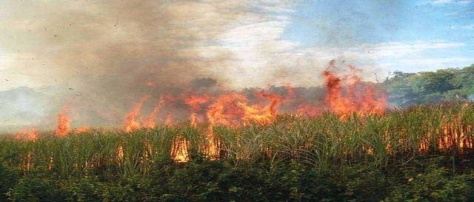
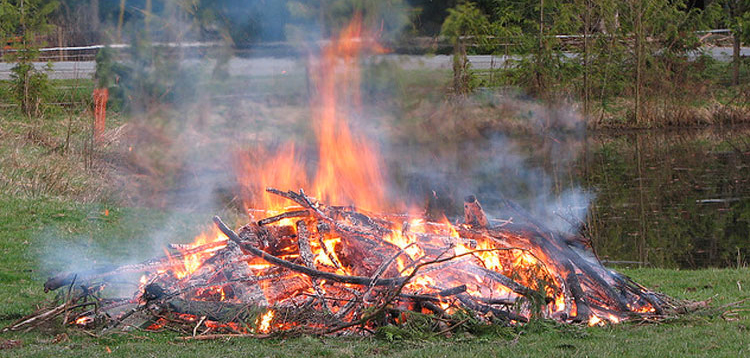
Open waste burning and organic waste in landfills release harmful dioxins, methane, and fine particulate matter like black carbon into the atmosphere, an estimated 40 percent of waste is openly burned. The problem is most severe in urbanizing regions and developing countries. Open burning of agricultural and municipal waste is practiced in 166 out of 193 countries.
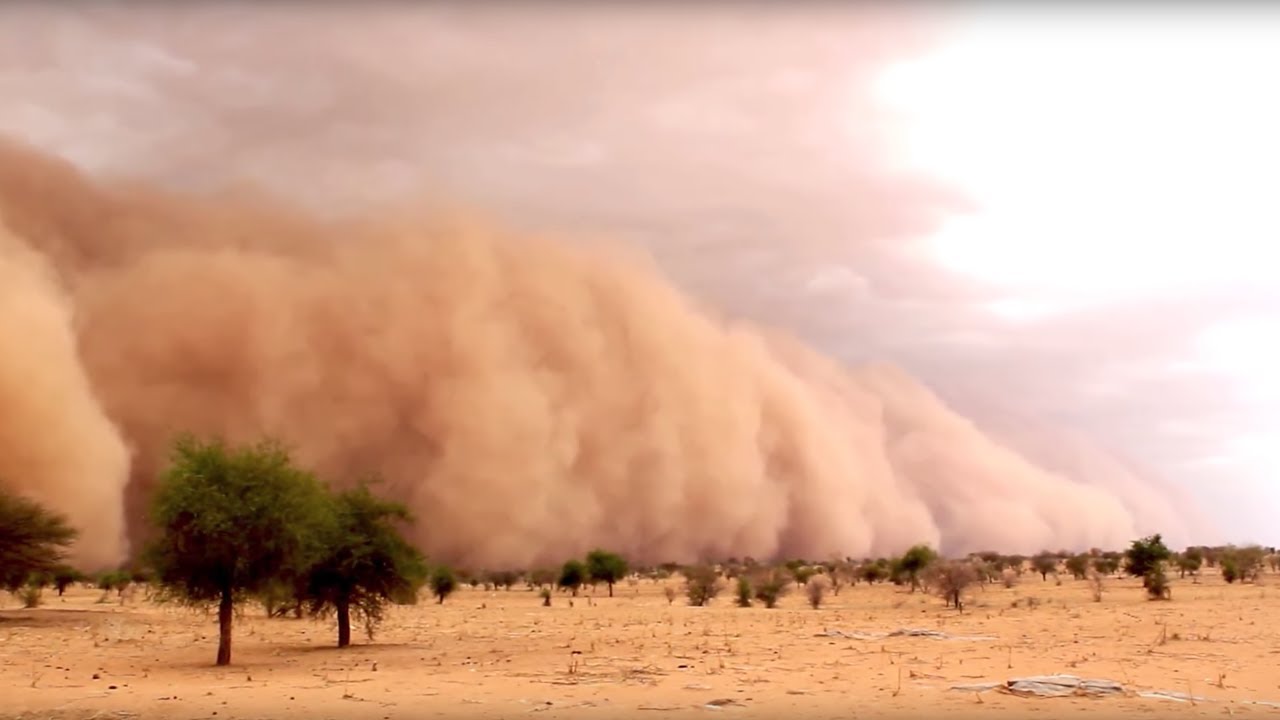
Not all air pollution comes from human activity. Volcanic eruptions, dust storms and other natural processes also cause problems. Sand and dust storms scerning. Fine particles of dust can travel thousands of miles on the back of these storms, which may also carry pathogens and harmful substances, causing acute and chronic respiratory problems.

CHANGE BEGINS AT HOME.
Cheers ….
This is an example post, originally published as part of Blogging University. Enroll in one of our ten programs, and start your blog right.
You’re going to publish a post today. Don’t worry about how your blog looks. Don’t worry if you haven’t given it a name yet, or you’re feeling overwhelmed. Just click the “New Post” button, and tell us why you’re here.
Why do this?
The post can be short or long, a personal intro to your life or a bloggy mission statement, a manifesto for the future or a simple outline of your the types of things you hope to publish.
To help you get started, here are a few questions:
You’re not locked into any of this; one of the wonderful things about blogs is how they constantly evolve as we learn, grow, and interact with one another — but it’s good to know where and why you started, and articulating your goals may just give you a few other post ideas.
Can’t think how to get started? Just write the first thing that pops into your head. Anne Lamott, author of a book on writing we love, says that you need to give yourself permission to write a “crappy first draft”. Anne makes a great point — just start writing, and worry about editing it later.
When you’re ready to publish, give your post three to five tags that describe your blog’s focus — writing, photography, fiction, parenting, food, cars, movies, sports, whatever. These tags will help others who care about your topics find you in the Reader. Make sure one of the tags is “zerotohero,” so other new bloggers can find you, too.
Have a WordPress.com account? Log in now.

